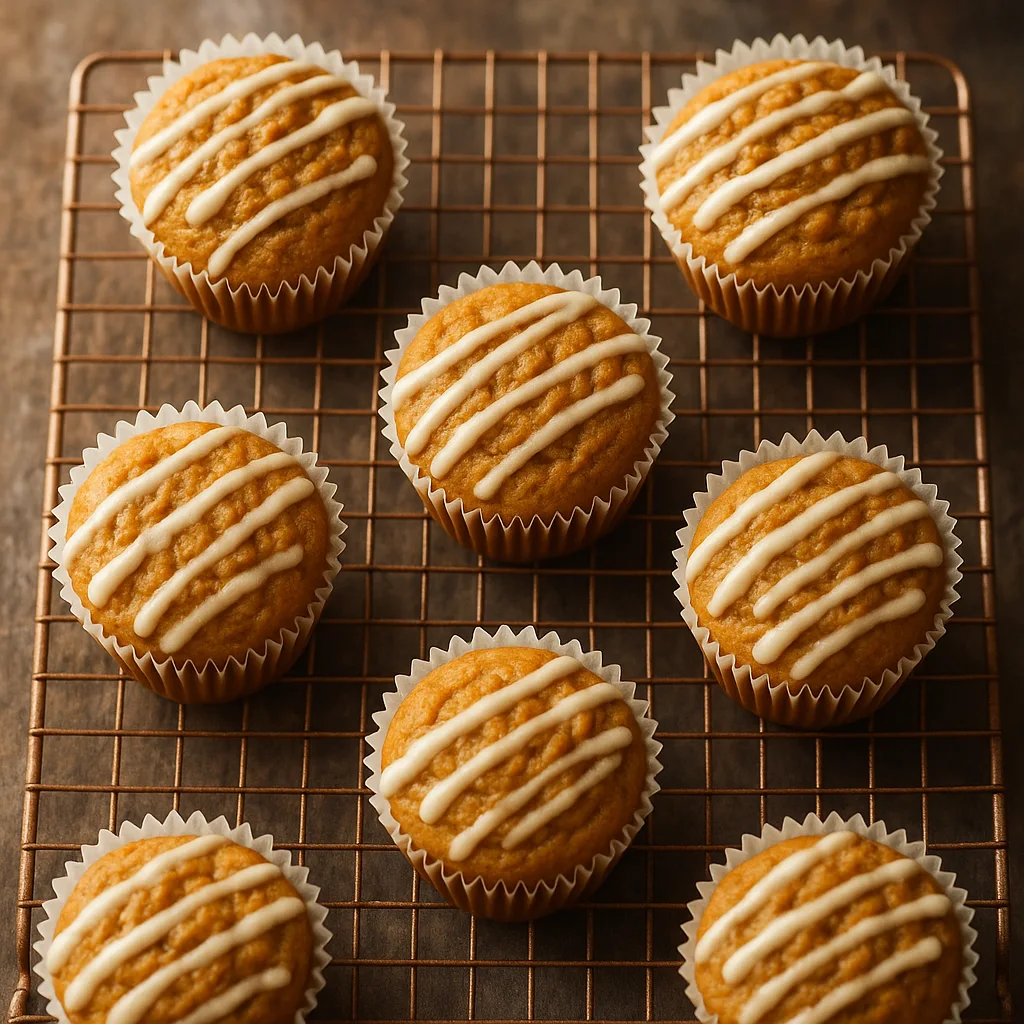
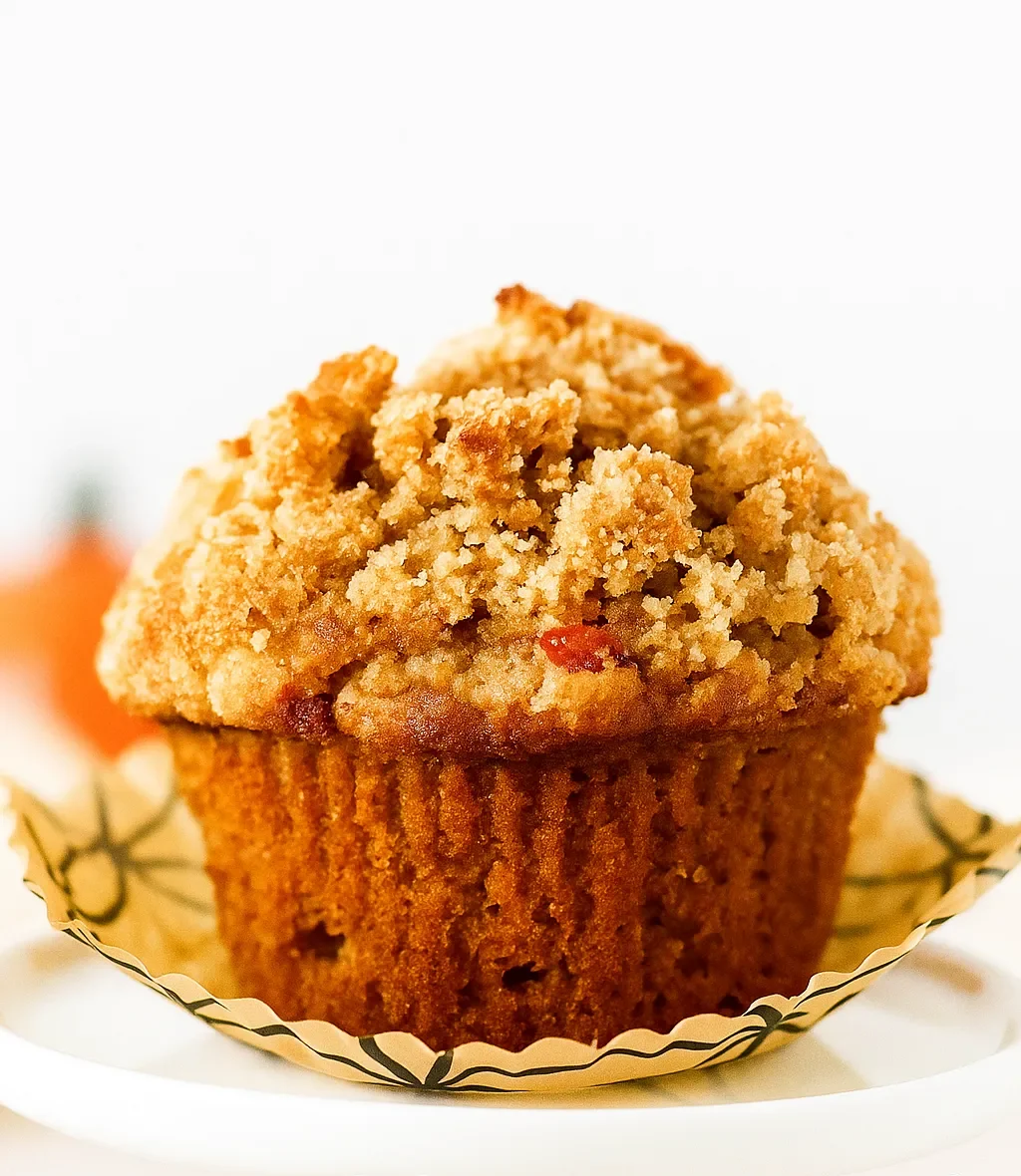
Banana Carrot Muffins Recipe
Today, I’m sharing my absolute favorite banana carrot muffins recipe that checks all the boxes for those with dietary restrictions. These gluten-free muffins and dairy-free muffins are naturally sweetened with no refined sugars, making them perfect no sugar muffins for breakfast or a wholesome snack.
Why You’ll Love These Muffins
These healthy breakfast muffins are:
- 100% gluten-free
- Completely dairy-free
- Sweetened only with whole fruits
- Packed with veggies (that you can’t even taste!)
- Remarkably moist and tender
- Kid-approved
- Perfect for meal prep
- Freezer-friendly

Banana Carrot Muffins Recipe Overview
Baking Time and Nutrition Facts
12 Muffins
15 Minutes
25 Minutes
180 Kcal
40 Miinutes
7g
4g
10g
The Power of Whole-Food Ingredients
What makes these muffins special is their reliance on nutrient-dense, whole-food ingredients. Each component serves a purpose:
- Ripe bananas: Provide natural sweetness and moisture
- Fresh carrots: Add nutrients, fiber, and a subtle earthy flavor
- Almond flour: Creates a tender crumb while keeping the muffins gluten-free
- Oat flour: Adds heartiness and fiber (use certified gluten-free if needed)
- Flaxseed: Works as an egg replacer and adds omega-3 fatty acids
- Coconut oil: Provides moisture without dairy
- Dates: Add caramel-like sweetness and chewy texture
- Cinnamon & nutmeg: Warm spices that enhance the natural flavors
Easy Banana Carrot Muffins Recipe
 Print
Print
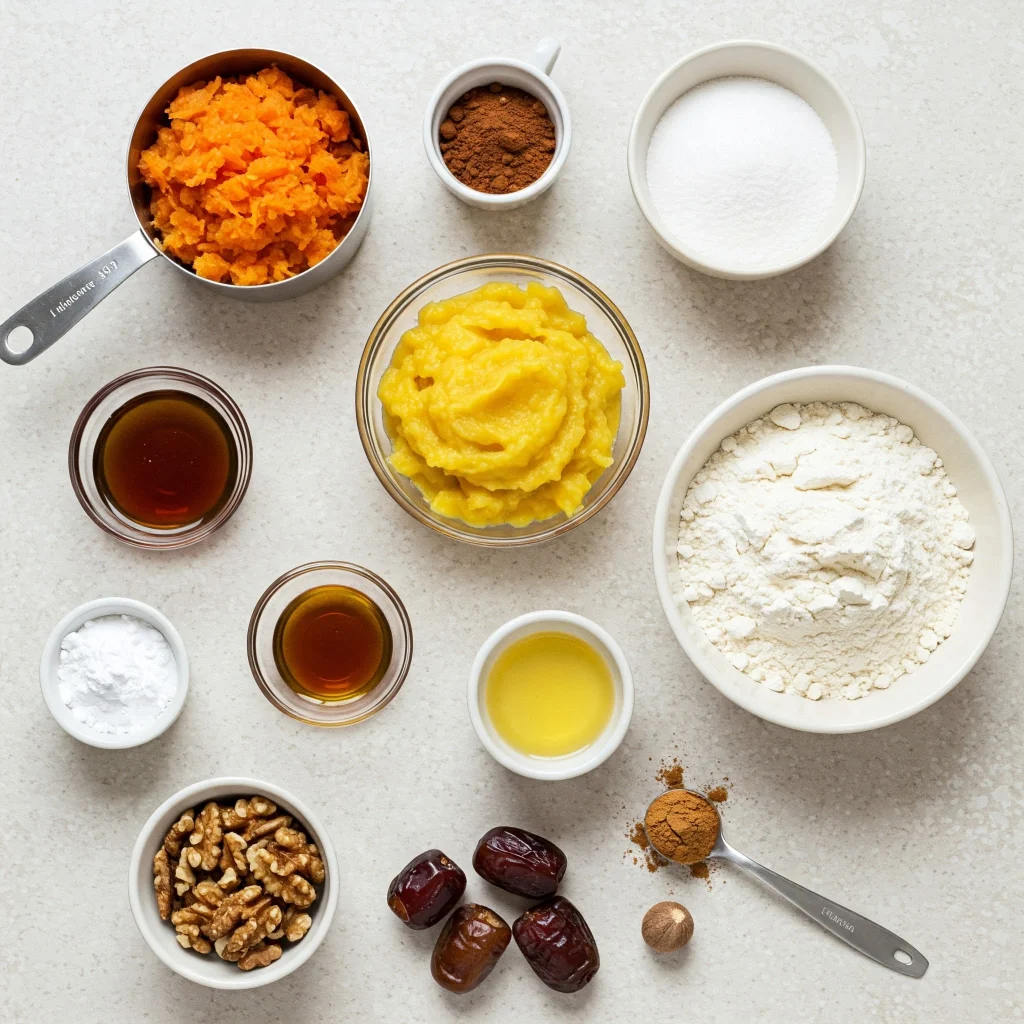
Key Ingredients
2 tablespoons ground flaxseed + 5 tablespoons water
3 very ripe bananas (about 1½ cups mashed)
1 cup finely grated carrots (about 2 medium carrots)
¼ cup coconut oil, melted
¼ cup unsweetened applesauce
6 Medjool dates, pitted and finely chopped
1 teaspoon vanilla extract
1½ cups almond flour
1 tablespoon ground cinnamon
½ teaspoon ground nutmeg
2 teaspoons baking powder
½ teaspoon baking soda
¼ teaspoon salt
½ cup chopped walnuts or pecans (optional)
The Secret to Moist Carrot Muffins
Nobody enjoys a dry muffin. The combination of mashed bananas and freshly grated carrots ensures these treats stay incredibly moist for days. The natural moisture from both ingredients creates a tender crumb that’s absolutely irresistible.
Kitchen Tools
- Muffin tin
- Paper liners or cooking spray
- Two mixing bowls
- Measuring cups and spoons
- Wooden spoon or spatula
How To Make Banana Carrot Muffins
Instructions
- Prepare the flax eggs: Mix ground flaxseed with water in a small bowl and let sit for 5 minutes until thickened.
- Preheat and prep: Preheat your oven to 350°F (175°C) and line a 12-cup muffin tin with parchment liners or lightly grease with coconut oil.
- Mix wet ingredients: In a large bowl, mash the bananas well. Add grated carrots, melted coconut oil, applesauce, chopped dates, vanilla extract, and the flax mixture. Stir until well combined.
- Combine dry ingredients: In a separate bowl, whisk together almond flour, oat flour, cinnamon, nutmeg, baking powder, baking soda, and salt.
- Create the batter: Gently fold the dry ingredients into the wet mixture until just combined. Be careful not to overmix. If using nuts, fold them in now.
- Bake: Divide the batter evenly among the muffin cups, filling each about ¾ full. Bake for 22-25 minutes or until a toothpick inserted into the center comes out clean.
- Cool: Allow muffins to cool in the pan for 10 minutes before transferring to a wire rack to cool completely.
Substitution Guide for Common Allergies and Preferences
These moist carrot muffins are already gluten-free and dairy-free, but here are some additional substitutions to accommodate other dietary needs:
Nut Allergies:
- Replace almond flour with sunflower seed flour (1:1 ratio)
- Substitute oat flour with more sunflower seed flour
- Skip the optional nuts or use pumpkin seeds instead
Grain-Free Option:
- Replace oat flour with cassava flour or more almond flour
- Increase baking time by about 3-5 minutes
Lower Fat Option:
- Replace part of the coconut oil with more applesauce
- Note: This will change the texture slightly but still works!
FODMAPs Concerns:
- Use green-tipped bananas instead of very ripe ones
- Omit the dates and add 2-3 tablespoons of pure maple syrup instead
Egg Replacement Options:
- Already egg-free with the flax eggs
- Can also use chia seeds in place of flaxseed (same ratio)
Pro Tips for Perfect Banana Carrot Muffins
- Ripe bananas are key: The riper the bananas, the sweeter your muffins will be without added sugar.
- Grate carrots finely: A fine grate ensures the carrot pieces blend seamlessly into the muffins.
- Don’t overmix: Stir until just combined to keep the muffins tender.
- Let the batter rest: For extra moist muffins, let the batter sit for 10 minutes before baking.
- Freezer-friendly: These muffins freeze beautifully! Store in an airtight container for up to 3 months. Thaw overnight in the refrigerator or warm gently in the microwave.
Freezing Instructions
These carrot banana muffins freeze beautifully! Once completely cooled, place them in a single layer on a baking sheet and freeze for about 2 hours. Transfer the frozen muffins to a freezer-safe bag or container and store for up to 3 months.
To enjoy, simply thaw a muffin overnight in the refrigerator or warm it in the microwave for 20-30 seconds. You’ll have a homemade, healthy breakfast muffin ready to go!
Customization Ideas
The beauty of these banana carrot muffins is how easily they adapt to your preferences:
- Add 1/2 cup raisins or dried cranberries for extra sweetness
- Sprinkle with oats before baking for added texture
- Mix in 1/4 cup hemp or chia seeds for an omega-3 boost
- Swap half the flour for oat flour to increase the fiber content
Not Just Kid-Approved – Kid-Requested!
Finding truly kid-friendly muffins that don’t contain processed ingredients can feel like searching for a unicorn. What surprised me most was how quickly these became my daughter’s favorite breakfast request. The natural sweetness satisfies her sweet tooth while the hidden vegetables provide essential nutrients to fuel her busy days.
She proudly tells her friends that she “makes the best carrot cake muffins ever” – and honestly, I can’t disagree!
Serving Suggestions
These gluten-free banana carrot muffins are delicious on their own, but you can elevate them with:
- A light spread of almond butter
- A dollop of coconut yogurt
- A drizzle of pure maple syrup (if you want them a bit sweeter)
- Paired with a warm cup of cinnamon tea or coffee
Nutritional Benefits Worth Celebrating
These banana carrot muffins aren’t just delicious – they’re nutritional powerhouses:
- Bananas: Rich in potassium, vitamin B6, and prebiotic fiber
- Carrots: Packed with beta-carotene, fiber, and antioxidants
- Whole wheat flour: Provides complex carbohydrates and additional fiber
- Eggs: Offer high-quality protein and essential nutrients
- Nuts (if included): Add healthy fats, protein, and mineral
FAQs About Banana Carrot Muffins
Is carrot and banana a good combination? Yes, carrot and banana pair well together in baking. Both ingredients provide natural sweetness and moisture to recipes like muffins, quick breads, and smoothies. Their flavors complement each other with banana’s creamy sweetness balancing the earthy notes of carrot.
Why are they called morning glory muffins? Morning glory muffins are named after the Morning Glory Café in Nantucket, Massachusetts, where chef Pam McKinstry created them in the 1970s. The recipe was published in Gourmet magazine in 1981, and they were named for the café rather than the morning glory flower.
What is the secret to moist muffins? The secret to moist muffins includes using ingredients like yogurt, sour cream, or buttermilk; incorporating fruit or vegetables with high moisture content (like bananas or carrots); not overmixing the batter; and avoiding overbaking. Using oil instead of butter can also help maintain moisture longer.
Can I add carrots to banana bread? Absolutely! Adding grated carrots to banana bread is a great way to increase nutrition, moisture, and add subtle flavor complexity. The natural sweetness of both ingredients works well together, and the carrots add texture while keeping the bread moist.
What not to mix carrots with? From a culinary perspective, carrots generally mix well with most ingredients. However, they might clash with very acidic ingredients like certain citrus fruits in some contexts. From a digestive health perspective, some believe combining carrots with certain foods can inhibit nutrient absorption, but there’s limited scientific evidence for these claims.
What should not be mixed with banana? There aren’t many strict culinary restrictions for bananas, but they brown quickly when exposed to air or acidic ingredients. From a food safety perspective, bananas are compatible with most foods. Some suggest avoiding mixing bananas with milk for digestive reasons, but this is based more on traditional beliefs than scientific evidence.
Is it okay to eat muffins in the morning? Yes, it’s okay to eat muffins in the morning, but nutritional value varies widely. Homemade muffins with whole grains, fruits, vegetables, nuts, and limited added sugar can be part of a balanced breakfast. Commercial muffins often contain high amounts of sugar, refined flour, and calories, making them more like dessert than a nutritious breakfast option.
Is morning glory a sweet potato? No, morning glory is not a sweet potato. Morning glory refers to flowering plants in the Convolvulaceae family. While some morning glory species have edible parts, they’re distinct from sweet potatoes (Ipomoea batatas), though both belong to the same plant family.
What are Sailor Jack muffins? Sailor Jack muffins, often called “Sailor Jack Gingerbread,” are spiced muffins or gingerbread cakes associated with the mascot of Cracker Jack snacks. They typically contain molasses, ginger, and other warm spices, creating a flavor similar to traditional gingerbread.
What is the most common mistake when making muffins? The most common mistake when making muffins is overmixing the batter. Once the wet and dry ingredients are combined, mixing should stop when the ingredients are just incorporated, even if the batter looks slightly lumpy. Overmixing develops gluten, resulting in tough, peaked muffins with tunnels throughout.
What makes muffins more fluffy? Fluffy muffins result from: using room temperature ingredients, properly activated leavening agents (baking powder/soda), not overmixing, starting with a high oven temperature (then potentially lowering it), and proper measuring techniques. Adding a small amount of vinegar or lemon juice to react with baking soda can also increase fluffiness.
What is the best flour to use for muffins? All-purpose flour is versatile for most muffin recipes. For tender, cake-like muffins, cake flour or pastry flour works well. For heartier, more nutritious muffins, whole wheat pastry flour or a mix of whole wheat and all-purpose flour is ideal. The best choice depends on the specific texture and nutritional goals of your recipe.
The Perfect Easy Breakfast Solution
Whether you’re rushing to get the kids to school, heading to an early meeting, or simply want to hit the snooze button a few more times, having these freezer-friendly muffins on hand means you’ll never have to skip breakfast again.
So this weekend, take a little time to whip up a batch of these healthy breakfast muffins. Your future self will thank you when you’re enjoying a homemade treat on even the busiest of mornings!
Have you tried making healthy breakfast muffins with vegetables before? Let me know in the comments how these turned out for you and any creative substitutions you tried!